
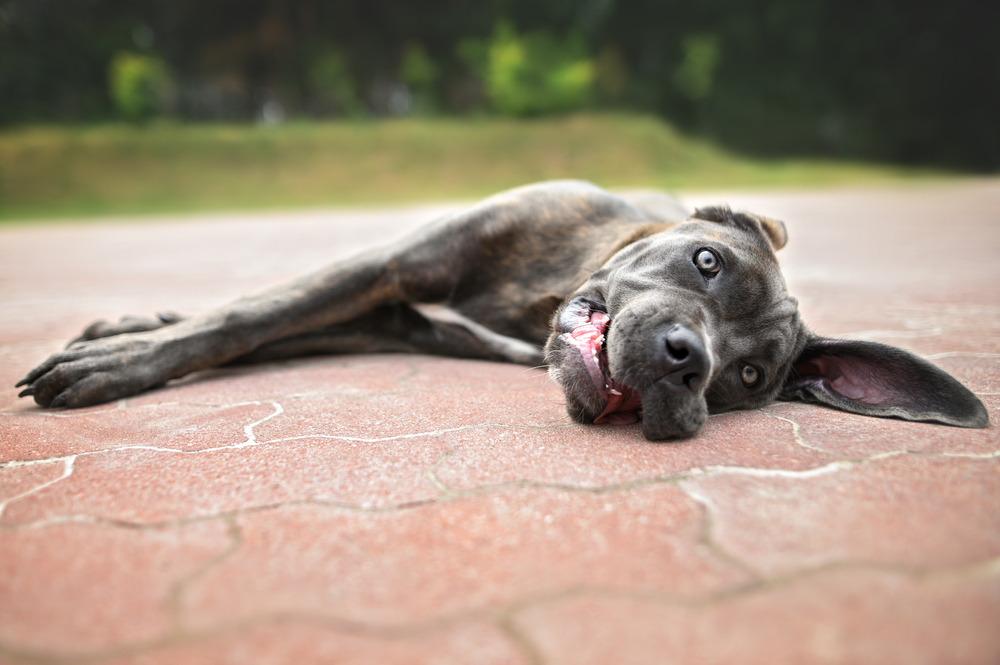
Heavy panting in a hot pet is normal cooling behavior, but it crosses into heat stroke when that effort stops working and other warning signs show up alongside it. Watch for breathing that grows louder and more frantic instead of easing, gums that turn brick red or purplish, ropey drool, stumbling, or vomiting. A pet who is simply warm will settle within a few minutes once they are in shade with cool water nearby. A pet whose internal cooling system has failed will keep declining no matter what you try at home, and that pet needs hands-on medical care quickly.
At Midtown Veterinary Hospital in Rochester, we see heat-related emergencies during our open hours and lean on advanced diagnostics on site to run kidney and liver bloodwork, take films of the chest and belly, and run an EKG when a dog or cat is recovering from severe overheating. We can also help you sort out which pets in your household are most vulnerable, from seniors to flat-faced breeds whose airways struggle in summer heat. To talk through warm-weather safety or have us check your pet after a heat scare, reach out to our Rochester team and we will get you on the schedule. If you’re worried but not sure what to do next, you can reach out to our partner at VetTriage for 24/7 teletriage to get guidance on next steps. If your pet has collapsed after time outdoors and we are closed, head to the nearest 24-hour emergency hospital right away.
Start Here: The Heat Stroke Rundown
- Heat stroke is a true emergency where a pet’s body temperature climbs past what it can shed, and the first 24 hours carry the highest risk of death, so early action genuinely saves lives.
- The right first move at home is active cooling with cool or tepid water on the paws, belly, and armpits plus airflow, never an ice bath and never a heavy wet towel trapping heat against the body.
- A pet who looks better after first aid can still slide into organ failure over the next one to three days, which is why a heat scare deserves a veterinary check even when the panting settles.
- Most heat emergencies are preventable with small habits: shade, steady water, cooler walk times, and never leaving a dog or cat in a parked car.
Why Do Pets Overheat Faster Than People Do?
Pets overheat faster because they cannot sweat the way you do. A dog cools mostly by panting, and a cat does much the same, adding some grooming. That system works in mild weather but fails fast in heat and humidity. Your pet is stuck in a fur coat with a much smaller cooling engine.
Panting moves air across a wet tongue and airway, with only a little help from sweat glands in the paw pads; cats spread saliva over their fur too. When the air is hot and humid, the heat has nowhere to go. You can strip off a layer and sweat over your whole body, and your pet cannot.
Some pets start the day with less margin than others. Breeds with crowded airways, like Bulldogs, Pugs, Boxers, and Persian cats, cannot pant nearly as effectively. For flat-faced dogs and cats, brachycephalic thermoregulation is already working at a disadvantage, and carrying extra weight narrows that margin even further. Age matters too, since puppies, kittens, and seniors regulate temperature less reliably. Here is who tends to overheat first:
- Flat-faced breeds: crowded airways mean panting moves far less heat, so Bulldogs, Pugs, and Persians hit trouble sooner.
- Thick or dark coats: heavy double coats hold heat in, and dark fur soaks up more sun.
- Very young and very old pets: puppies, kittens, and seniors have less reliable internal thermostats.
- Overweight pets: extra body fat insulates and adds work, so heat builds faster.
- Pets with heart, lung, or airway disease: any condition that restricts breathing or circulation limits cooling.
Because the risk is so individual, the safest plan is one built around your specific pet. A summer check-in, along with routine wellness exams and baseline lab work, helps us flag whether your dog’s weight or an older cat’s heart puts them in the higher-risk group so we can tailor advice before the hot days arrive.
How Do You Know When a Hot Pet Is Turning Critical?
Heat stroke climbs in tiers, and catching it early is what keeps a warm pet from becoming a critical one. The earliest signs of heatstroke in pets are heavy panting, thick drool, and restlessness, and they build toward brick-red or bluish gums, stumbling, vomiting, and collapse as the emergency deepens.
The hard part is that early signs look a lot like a dog just being a dog on a hot day, so knowing what escalation looks like matters. The single most useful thing you can check is the gums. Healthy gums are bubblegum pink and moist. Brick-red, muddy, or bluish gums mean the body is in serious trouble and it is time to move.
| Stage | What you might see |
| Early / mild | Heavy, fast panting; thick ropey drool; restlessness; seeking shade or cool floors |
| Moderate | Bright or brick-red gums; wobbly gait; glazed look; vomiting or diarrhea |
| Severe | Bluish or muddy gums; collapse; disorientation; seizures; unresponsiveness |
If your pet is anywhere in the moderate or severe column, treat it as an emergency and start cooling on the way to care. Cats hide distress well, so open-mouth breathing in a cat is always a red flag worth acting on.
Those First Few Minutes: Your Move Before You Reach Us
The goal in the first few minutes is simple: start lowering body temperature while you get help, without overdoing it. Move your pet out of the heat first, into shade or a cool indoor room, and offer small sips of cool water if they are alert enough to drink.
Follow these emergency steps for cooling in order:
- Move to cool air: get your pet into shade or air conditioning right away.
- Wet the right spots: run cool or tepid water over the paws, belly, and armpits where blood vessels sit close to the skin.
- Add airflow: point a fan at the damp fur, or crank the AC, so evaporation can pull heat off.
- Offer small sips: let an alert pet drink a little cool water; never force water into the mouth.
- Skip the ice and heavy towels: no ice baths and no thick wet fabric draped over the body, since both can trap heat or cool too fast and cause shivering.
- Call as you cool: keep cooling on the way in and let us know you are coming.
Cool for a few minutes, then head in. If severe signs like collapse, seizures, or bluish gums appear, call us right away so we can guide you while you drive, and if we are closed, go straight to the nearest 24-hour emergency hospital.
What Does the ER Team Do to Cool a Pet Down?
In-hospital care for heat stroke runs in three coordinated layers, and it moves quickly because the clock matters more here than almost anywhere in emergency medicine. Once a pet reaches us, heatstroke treatment moves through controlled cooling, fluid replacement to restore blood volume, and managing the complications that follow, because the first 24 hours carry the highest risk of death.
That first step is deliberately gentle. We lower temperature toward a safe range and stop before it drops too far, because overshooting into hypothermia is its own danger. Intravenous fluids come next, refilling the blood volume that heat and dehydration have drained and helping protect the kidneys. From there, the work becomes watching for and heading off secondary damage: oxygen support, medications for nausea or seizures, and bloodwork to track how the organs are holding up. We provide emergency and urgent care during our open hours for pets that have overheated, and may recommend transfer for overnight ICU care for severe cases.
The Danger That Hides Behind a Pet Who Looks Fine
Here is the part that surprises pet families most: the pet who trots into the exam room looking almost normal can still be in danger. Cooling the body is only the first battle. A pet who perks up afterward can still be heading toward delayed organ dysfunction in the kidneys, liver, heart, and gut over the following 24 to 72 hours, which is exactly why the recovery is not over when the panting slows.
The heat injury sets off a body-wide reaction, sometimes called systemic inflammatory response syndrome, that can damage organs long after the temperature reads normal. One of the most dangerous late complications is abnormal blood clotting, where the body’s coagulation system misfires and produces both harmful clots and internal bleeding at the same time. This is why we recommend an exam and a stretch of observation even when a pet looks fine. On-site advanced diagnostics and hospitalized monitoring let us run kidney and liver panels, check clotting, and repeat bloodwork so a quiet problem does not turn into a crisis overnight.
How Can You Keep Your Dog Cool and Hydrated All Day?
Preventing heat stroke is far easier than treating it, and most of the work is boring routine done consistently. Day-to-day heat safety is mostly small habits stacked together: fresh water everywhere, a portable bottle on outings, cooling mats and damp towels at home, and calling a break at the first sign of hard panting rather than the last.
Give your pet a few easy ways to cool off that they can reach on their own. Set out more water bowls than you think you need, and refresh them so the water stays cool and appealing. A cooling mat, a damp towel to lie on, a fan, and a shady spot give a hot dog or cat somewhere to reset. On outings, a collapsible bowl and a water bottle mean hydration is never more than a minute away. And the most valuable habit costs nothing: watch for early panting and call a break before your pet is in trouble, not after. If you want picks matched to your pet, ask our veterinarians about tailored product suggestions that fit your home and your dog or cat.
Timing the Walk Around the Cool Bookends of the Day
The safest outdoor time in summer is the cool bookends of the day, early morning and after sunset, with intensity dialed down in between. Most of preventing heatstroke on hot days comes down to scheduling and pacing: walk during those gentler hours, keep the effort light, test the ground before you commit, and cut play short before your pet decides to.
Pavement deserves special attention. Asphalt that feels warm to your feet in shoes can blister a paw pad, so press the back of your hand to the surface for seven seconds; if you cannot hold it there, it is too hot to walk on. Keep sessions shorter than usual, bring water, and end the game while your pet is still eager rather than pushing to exhaustion.
The Parked Car: How Quickly Fine Turns Dangerous
A parked car is one of the fastest ways a pet can go from fine to fighting for their life, even on a day that does not feel dangerous. The interior can climb to around 120°F within 20 minutes on a day that feels only mildly warm outside, and hot vehicles turn deadly quickly even with the windows cracked. Leaving them open a few inches barely slows the heat, because the car acts like a greenhouse trapping sunlight. There is no safe version of a quick errand with a dog waiting in the car.
If your pet was shut in a hot car, do not wait to see how they do. Start cooling and reach out for triage guidance so we can tell you what to watch for and when to come in.
How Do You Keep an Outdoor Cat Safe in the Heat?
Outdoor and indoor-outdoor cats need heat planning of their own, built around cool water and easy ways out of the sun. Cats are quiet about discomfort, so they rely on you to build the options in advance. Outdoor cat safety in summer comes down to placing a few water stations in shaded spots around the yard and refreshing them frequently, since cats often drink more when the water is cool and clean. A ventilated shelter, a covered porch, or a secure catio gives a cat a way out of direct sun without wandering into danger. During the hottest hours, supervised time outside or a shady enclosure beats letting a cat roam scorching sidewalks.
Turning the House Into a Cool-Down Haven for Peak Heat
The best defense against summer heat is a comfortable indoor space where your pet can ride out the hottest hours. Air conditioning or good airflow from fans, access to cool tile or a shaded floor, and plenty of fresh water turn the house into a safe haven when the afternoon sun is brutal. The aim is simple: make resting indoors more appealing than baking outside.
Bored pets push for activity at exactly the wrong time of day, so a little mental work goes a long way. Good summer boredom busters give a restless pet something to do indoors during the hottest part of the day, so peak heat passes as a nap instead of a demand for a midday run. Homemade DIY enrichment toys like frozen treats, snuffle mats, and food puzzles do the mental work that tires a pet out without raising their body temperature the way a hot-weather walk would.

Heat Emergencies: The Questions We Hear Most
What temperature is too hot to walk my dog?
There is no single magic number, because humidity, sun, and your dog’s own risk factors all shift the line. As a rule of thumb, once it is above the mid-80s Fahrenheit, or the air is muggy, keep outdoor time short and shaded. Flat-faced, overweight, senior, and heavy-coated dogs hit their limit sooner. Always test the pavement with the back of your hand, and when in doubt, swap the walk for indoor play.
Can indoor pets get heat stroke?
Indoor pets can get heat stroke, because a pet does not have to be outside to overheat. A home without air conditioning can climb dangerously on a hot day, especially in a sunny room or a poorly ventilated space. Pets closed in a garage, sunroom, or hot car are at serious risk. Make sure your dog or cat always has access to a cooler part of the house, fresh water, and airflow, and never confine a pet somewhere that can trap heat.
How long does it take a pet to recover from heat stroke?
Recovery time depends on how high the temperature climbed and how quickly cooling started. A mild episode caught early may resolve over a day or two with monitoring. More severe cases can take a week or longer and sometimes leave lasting organ effects, which is why follow-up bloodwork matters. Because complications can surface 24 to 72 hours later, we watch recovering pets closely even once they seem back to normal.
Your Partner Through a Cooler, Happier Summer
Heat stroke is a genuine emergency, but it is also one of the most preventable ones we see. Knowing the early signs, cooling correctly, and adjusting activity, hydration, and indoor comfort as the temperature climbs keeps summer in the fun column for your whole household. Early action truly saves lives here, so trust your gut if something looks off.
If you want a plan built around your own pet’s risks, or a check after any heat scare, book a summer safety visit with us at Midtown Veterinary Hospital. And if your pet needs monitoring after overheating, our on-site bloodwork tracks the organs through the first risky days. We are glad to be at your side through the warm months ahead.


Leave A Comment