
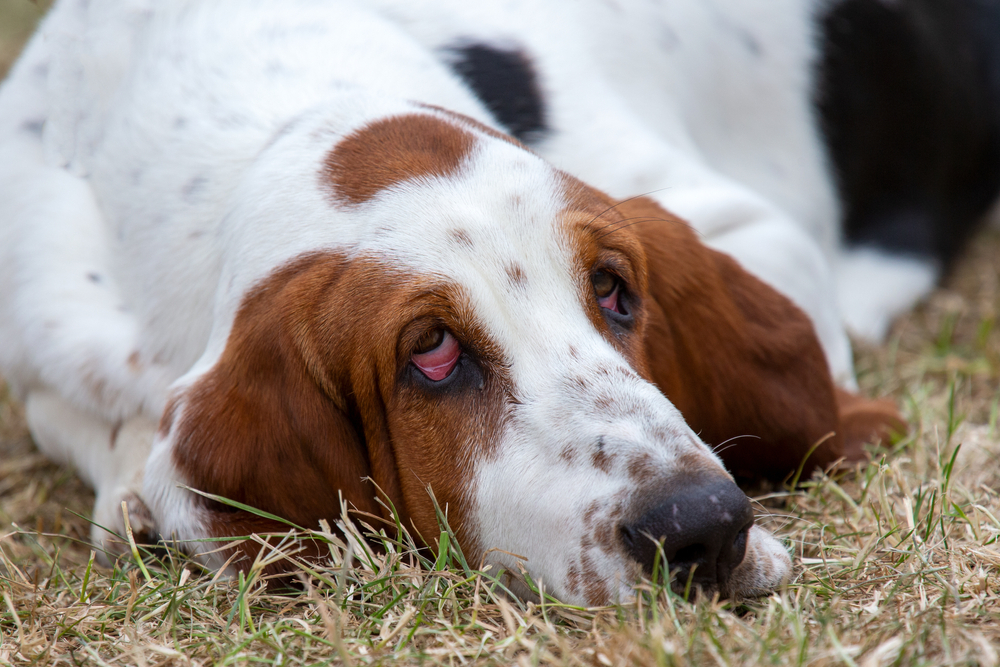
When the eyelid rolls inward or sags too much, it can cause chronic pain, infection, and even vision loss over time. Correcting an inward-rolling eyelid, the condition called entropion, comes down to repositioning the lid so it no longer touches the eye, usually by removing a small, carefully measured strip of skin so the margin rotates back to where it belongs. The exact method depends on which lid is affected, how far it rolls, and whether one eye or both are involved. A growing puppy may get a temporary stitch to hold the lid out until its face matures, while an adult with a fixed roll needs a single definitive repair. Ectropion, the opposite problem of a lid drooping outward, is corrected on the same principle: fix the anatomy and the chronic irritation resolves rather than being managed forever.
At Midtown Veterinary Hospital in Rochester, we plan eyelid surgery with the same pre-anesthetic care we bring to every procedure, from a physical exam and bloodwork to a tailored anesthetic protocol with continuous monitoring. Our surgical services are backed by in-house diagnostics and digital radiography, so we build a full picture of your pet’s health before any repair. If you have questions about an eye concern or want an evaluation, reach out to us and we will help you find the right next step.
How the Correction Works
- It is a repositioning, not a removal: a calibrated bit of tissue is taken so the lid sits correctly.
- The technique fits the problem: lid, severity, and species each shape the approach.
- Conservative is deliberate: undercorrecting slightly beats overcorrecting, which is hard to undo.
- The fix is the cause: correcting the anatomy ends the friction rather than masking it.
What Does Correcting the Eyelid Actually Involve?
Correction restores the lid to its normal position so it stops contacting the cornea. In entropion, where the lid rolls inward and lashes scrape the eye, the surgeon removes a precise crescent of skin so the margin rolls back out. In ectropion, where the lid sags away from the eye, the lid is shortened and tightened. Either way, the goal is anatomy that protects the eye.
The word calibrated matters here. Eyelid surgery is a game of millimeters, and the amount of tissue removed is measured against how far the lid is rolling, because taking too little leaves a residual roll while taking too much pulls the lid the wrong way. That precision is why these repairs are planned carefully rather than done freehand.
Why Does the Eyelid Roll In or Droop Out?
The lid moves out of position because of how it is built or how it has changed. Conformation is the usual reason, with some pets born to it, while others develop a roll from facial-tissue changes, weight loss, scarring, or chronic squinting that gradually retrains the lid. Several eyelid disorders can overlap on the same eye, and the longer a malpositioned lid grinds on the cornea, the more damage builds up, which is exactly why repositioning is the durable answer instead of endless drops.
What Technique Fits Which Situation?
The right procedure follows the lid, the severity, and the pet’s stage of growth.
| The situation | The technique | What it achieves |
| Growing puppy | Temporary tacking sutures | Holds the lid out until the face matures |
| Mild to moderate entropion | Hotz-Celsus skin removal | Rotates the lid margin outward |
| Severe or recurrent entropion | Modified or staged techniques | Corrects a larger roll without overcorrecting |
| Ectropion | Lid-shortening wedge resection | Tightens a sagging lower lid |
| Both on one eye (“diamond eye”) | Combined procedure | Addresses inward roll and droop together |
The table simplifies real decisions that are made at the exam, but it shows why two dogs that both have entropion can have genuinely different operations.
How Is Entropion Surgically Corrected?
The workhorse repair for entropion is the Hotz-Celsus procedure, a calibrated elliptical removal of skin just below the affected lid margin. Taking that measured strip and closing the gap rotates the lid edge outward so the lashes and skin lift off the cornea. The eyelid surgery technique is adjusted to the individual, with the size and placement of the removal matched to where and how much the lid rolls, and severe or recurrent cases may call for modified or staged versions to correct a larger roll without going too far. A conservative first pass is preferred, because adding a small revision later is far easier than reversing an overcorrection.
How Is Ectropion Corrected?
Ectropion is the opposite mechanical problem, so it gets the opposite fix: instead of removing skin to roll a lid out, the surgeon shortens and tightens a lid that has grown too lax. A wedge resection removes a small full-thickness section of the lower lid and closes it, taking up the slack so the margin sits snug against the eye again. This restores the lid’s windshield-wiper function, letting tears spread and drain properly and ending the chronic exposure that drives the dryness and repeat infections.
When Is Tacking Used Instead of Surgery?
Not every rolled lid goes straight to a permanent repair. Temporary eyelid tacking places a few sutures that turn the lid outward without removing any tissue, and it is the right first move in two situations: a growing puppy whose face is still changing, and a pet whose roll is being driven by the pain of a corneal ulcer rather than fixed anatomy. Tacking relieves the friction now and buys time to see what the lid does once the pet matures or the ulcer heals, and it can be repeated before a definitive procedure is considered.
What Happens Before and During the Procedure?
The surgery itself is brief, but the planning around it is where safety lives. Before the procedure we run a pre-anesthetic exam and bloodwork to confirm your pet is a good anesthetic candidate, then use an anesthetic protocol tailored to species, breed, and age, with heart rate, oxygen, blood pressure, and temperature monitored continuously. Multimodal pain control runs before, during, and after the repair. Our AAHA accreditation means these surgical and monitoring standards are held to the most modern, best-in-practice documented protocols rather than left to habit.
From your perspective, the day usually looks the same: a morning admission with a fasting period beforehand, the surgery performed mid-day under general anesthesia, recovery through the afternoon, and same-day discharge with detailed instructions for home care. Eyelid procedures are short relative to many surgeries, typically 30 to 60 minutes of operating time, which keeps anesthetic exposure brief and recovery quick. The surgery is performed under magnification, since the millimeter-level precision of these repairs benefits from a clearer view than the naked eye provides, and the sutures placed are fine enough that most families need to look closely to see them at all. You leave with eye medications, an e-collar, written instructions, and a date for the suture-removal recheck.
How Do We Confirm It Is a Structural Problem First?
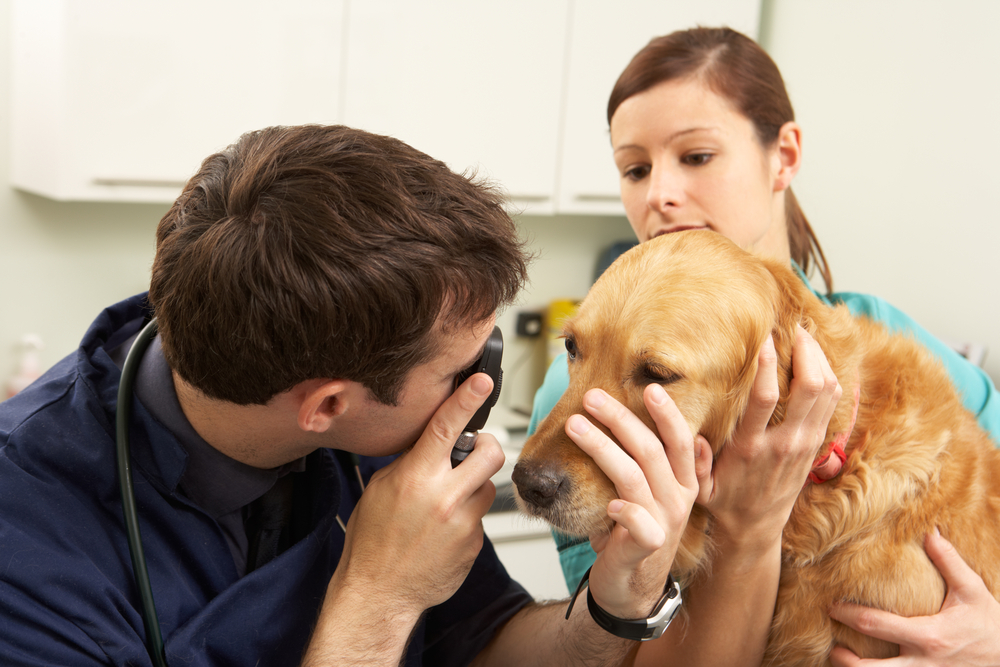
Because the fix is surgical, confirming the lid is truly the problem comes first. We read the signs of eye pain, such as squinting, tearing, or eye discharge, then examine lid position and run a Schirmer tear test alongside the other standard ocular tests.
From there, we stain the cornea to find corneal ulcers and check for eyelash problems like misdirected lashes that can imitate entropion or sometimes occur alongside it. A topical anesthetic settles the key question: a pain-driven squint relaxes when the surface is numbed, while a structurally rolled lid stays rolled, which tells us surgery is the right tool.
Which Breeds Need This Most?
Facial structure predicts who ends up needing the procedure. Flat-faced and heavy-folded dogs like Bulldogs, Pugs, Shar-Peis, and Chow Chows, plus Retrievers and several spaniels, are prone to entropion, while loose-lidded breeds such as Bloodhounds, Basset Hounds, and Saint Bernards lean toward ectropion. Among cats, the flat-faced breeds like Persians are most affected. Some dogs, Bulldogs especially, carry both hereditary eyelid conditions on the same eye, which is when a combined procedure comes into play.
Is the Procedure Different in Cats?
It can be. Entropion in cats usually appears later in life and often rides along with chronic surface disease, such as conjunctivitis or feline herpesvirus, rather than the breed conformation seen in dogs. The surgical principle is the same, but a cat’s repair may combine techniques and is most successful when any underlying viral or inflammatory disease is treated alongside the lid.
What Happens If an Eyelid Problem Is Left Untreated?
Untreated entropion and ectropion do not stay still. The friction from a rolled lid or the exposure from a drooping one keeps working on the corneal surface day after day, and the consequences accumulate predictably. Mild entropion produces a constant low-grade irritation that the pet adapts to but the cornea does not, and over weeks to months that irritation develops into corneal erosions, then visible ulcers, then deeper ulcers that can extend through the layers of the cornea. A deep ulcer that perforates is a true emergency requiring urgent surgical repair to save the eye.
Chronic surface irritation also triggers the eye’s repair mechanisms, including pigmentary keratitis, the deposition of brown pigment that gradually spreads across the cornea. Once that pigment is laid down, it does not go away, and dense pigment can permanently obscure vision even after the underlying lid problem is eventually corrected. We see this most often in flat-faced breeds whose entropion went uncorrected for years, and by the time the pigment is dense, even successful eyelid surgery cannot restore the lost vision.
The other piece worth knowing is the pain. Dogs and cats adapt to chronic eye discomfort in ways that hide it well from families- they keep eating, keep playing, and the squinting or tearing gets accepted as just how that eye is. After surgical correction, owners regularly tell us their pet seems “so much more themselves” and realize, in retrospect, how much daily discomfort they had stopped noticing. None of this means an immediate emergency for a recently diagnosed lid problem, but it does mean the calendar matters: catching the issue and correcting it before pigmentary keratitis develops or a deep ulcer occurs gives your pet the best chance at a comfortable, full-vision result.
What Does Recovery From the Surgery Look Like?
Recovery is usually smooth and quicker than owners expect. Most pets are visibly more comfortable within a few days, with mild swelling and a little pinkish discharge that fade over the first week. An Elizabethan collar stays on until the recheck, since one hard rub can dislodge the fine sutures, and we will coach you through administering eye medications so the drops are less of a fight.
A few practical notes on the recovery period: activity restriction for the first 10 to 14 days, with no rough play, no swimming, and ideally no head-shaking situations; daily checks of the incision for swelling, discharge, or any opening, with pink-tinged drainage in the first few days being normal but bright bleeding or pus not; keeping eye medications on schedule, since missed doses slow healing; and avoiding letting your pet sleep with their face buried in soft bedding for the first few days, since that produces friction on the incision. Sutures come out around day ten to fourteen, the lid position is reassessed, and a final check happens at the next wellness visit. Occasionally a small revision is planned, which is expected rather than a setback.
Frequently Asked Questions About Eyelid Correction
What If the Surgery Does Not Fully Correct the Roll?
A deliberately conservative first repair sometimes needs a small touch-up, especially in growing pets or complex cases. That is by design, since a minor revision is straightforward while reversing an overcorrection is not. Any revision is usually less involved than the original procedure.
Can Entropion Be Fixed Without Surgery?
In growing puppies, temporary tacking can hold a mild roll in place until the face matures, and some resolve without a permanent procedure. In adult dogs and cats, a fixed structural roll does not correct itself and tends to worsen, so surgical repositioning is the lasting fix.
Will My Pet Need Both Eyes Done?
Often, when both lids are affected, though not always on the same day. Operating on one eye at a time keeps the other comfortable during recovery, with the second scheduled once the first is healing well.
Getting Eyelid Concerns Expertly Addressed
Entropion and ectropion are highly correctable, and a precise, well-planned repair restores comfort and protects vision for the long run. Because corneal damage accumulates the longer a lid stays out of place, an early evaluation is worth booking as soon as you notice the signs.
If your pet has been squinting, tearing, or rubbing at an eye, or an eyelid looks like it is sitting wrong, contact us or visit one of our locations for an evaluation.

Leave A Comment