

Inherited Health Conditions: What to Watch for in Your Pet’s Breed
Watching your pet struggle with an unexplained health issue is one of the hardest parts of being an owner. You might ask yourself: “Why is this happening?” Sometimes, the answer lies in their DNA. Every breed carries unique genetic traits that influence both behavior and health, and purebred pets, in particular, are more susceptible to specific inherited diseases. By understanding your pet’s breed predispositions and working closely with your veterinarian, you gain the power to create a proactive health plan that minimizes risk and helps them live their best life.
At Midtown Veterinary Hospital in Rochester, we take a personalized, preventive approach to pet care. Our wellness and prevention exams include breed-specific discussions and proactive screening strategies. As an AAHA-accredited hospital, we uphold the highest medical standards, from advanced diagnostics to preventive care, helping each pet and their owner stay one step ahead of genetic health challenges.
Why Breed-Related Health Problems Occur
Genetics play a central role in determining a pet’s susceptibility to certain diseases. Over generations, selective breeding for specific traits like coat color, size, or facial shape has also concentrated genes associated with health conditions. Some dog breeds with the highest risk of health problems include Bulldogs (respiratory and skin issues), German Shepherds (joint disease), Golden Retrievers (allergies and cancer), and Cavaliers (heart problems).
Understanding your pet’s genetic predispositions allows for earlier detection and management. Our team uses comprehensive diagnostic testing to tailor wellness care and monitoring, helping reduce the impact of breed-specific risks through customized preventive strategies.
Genetic Disease Screening and DNA Testing
Today’s DNA testing technology gives pet owners valuable insights into their companion’s inherited health vulnerabilities. Several options for testing your pet’s DNA are now widely available, putting powerful preventive tools within reach of every pet family.
For dogs: Comprehensive testing panels from Wisdom Panel and Embark do more than reveal breed ancestry-they also screen for inherited disease markers. Results may indicate carrier status for conditions such as hip dysplasia, progressive retinal atrophy, bleeding disorders, and metabolic abnormalities.
For cats: Basepaws delivers feline-specific genetic analysis, including breed identification and screening for hereditary health conditions common in cats.
It’s important to interpret results correctly: a positive genetic marker signals increased risk, not certainty. Your pet may never develop the condition, especially with informed preventive action. Genetic testing essentially creates a personalized health blueprint for your pet, shifting your approach from reactive treatment to strategic prevention based on their unique DNA profile.
Respiratory and Birthing Problems in Brachycephalic Breeds
Flat-faced (brachycephalic) breeds like Bulldogs, Pugs, and Persian cats often face airway challenges due to their shortened skull structure. Many develop Brachycephalic Obstructive Airway Syndrome, which causes noisy breathing, snoring, and intolerance to heat or exercise. Careful weight management and avoiding overexertion are key parts of managing these conditions.
Female brachycephalic dogs also face birthing difficulties due to their anatomy, where large puppy heads and narrow birth canals make delivery risky. Early consultation with your veterinarian is essential if breeding is considered.
At Midtown Veterinary Hospital, our surgical and emergency care services provide safe, attentive support for these sensitive breeds. We also offer reproductive health services and can discuss surgical correction options and preventive lifestyle modifications to enhance comfort and safety.
Musculoskeletal and Neurological Breed Disorders
Many breeds are prone to conditions that affect mobility or coordination. Large breeds like Dobermans and Great Danes may develop Wobbler Syndrome, a spinal disorder that causes neck pain and unsteady movement. German Shepherds and Boxers are susceptible to Degenerative Myelopathy, a progressive spinal cord disease resembling ALS in humans. Meanwhile, Golden Retrievers, Rottweilers, and German Shepherds face higher risk of hip dysplasia.
Smaller breeds such as Dachshunds are at risk of Intervertebral Disc Disease, which can cause sudden paralysis. Recognizing early warning signs like stiffness, reluctance to jump, or dragging hind limbs is critical for timely intervention. Beagles are also predisposed to epilepsy, causing lifelong seizures if not medicated.
Our veterinarians combine advanced diagnostics, pain management, and rehabilitation strategies to preserve mobility and quality of life. Class IV laser therapy and personalized pain protocols help reduce inflammation and promote healing for pets with chronic orthopedic or neurological issues.
Cardiovascular and Circulatory Conditions in Pets
Heart conditions can affect many breeds, particularly small dogs and seniors. Mitral Valve Disease is common in Cavalier King Charles Spaniels and other toy breeds, causing heart murmurs and coughing as the disease progresses. Dobermans are prone to dilated cardiomyopathy (DCM), while Maine Coon cats are more likely to develop hypertrophic cardiomyopathy.
Regular cardiac evaluations and imaging at our diagnostic center can detect early changes, enabling medical management and lifestyle adjustments that extend both comfort and longevity.
Gastrointestinal and Metabolic Diseases in Pets
Digestive and metabolic disorders often vary by breed. Deep-chested dogs like Great Danes and Weimaraners face a life-threatening emergency known as Gastric Dilatation-Volvulus (bloat), where the stomach twists and traps gas. Rapid recognition and emergency surgery are lifesaving.
Mini Schnauzers tend to develop pancreatitis, while endocrine disorders such as diabetes are more common in certain breeds like Poodles and Burmese cats. Routine wellness bloodwork can catch subtle changes in glucose and organ function before symptoms appear.
Our team designs individualized care plans, from diet guidance to medication safety, ensuring every pet receives safe and effective treatment.
Allergies and Sensitivities
Retrievers are particularly prone to environmental allergies, often resulting in chronic ear infections and itchy skin. Some herding breeds, including Collies and Australian Shepherds, carry the MDR1 gene mutation, which affects drug metabolism and can cause dangerous reactions to common medications. Knowing your pet’s genetic status prevents these potentially life-threatening complications.
Breed-Specific Dental and Eye Issues in Pets
Toy and small breeds like Yorkies, Chihuahuas, and Maltese are especially prone to toy breed dental issues, including crowding, retained baby teeth, and rapid tartar buildup. Boxers and Bulldogs frequently develop gingival enlargement. Without routine care, these conditions can lead to gum infection, tooth loss, and pain.
Eye health concerns also cluster by breed. Certain breeds carry hereditary eye diseases like cataracts, lens luxation, corneal dystrophy, or Progressive Retinal Atrophy, which can cause gradual vision loss. Regular eye exams are essential, especially for breeds like Cocker Spaniels, Huskies, Poodles, Jack Russel Terriers, and Abyssinian cats.
Our veterinarians provide thorough dental exams and cleanings during annual wellness visits, using dental radiographs to detect hidden disease. Early diagnosis protects comfort, prevents pain, and ensures long-term oral and ocular health.
Hereditary Cancers and Organ Diseases in Pets
Some hereditary conditions affect organs or increase cancer risk. Persian cats and other longhaired breeds are predisposed to Polycystic Kidney Disease, which causes kidney cysts and reduced function over time. Extra small breeds like Yorkies are prone to portosystemic shunts, abnormal blood vessels that bypass the liver.
Cancer susceptibility also varies by breed. Boxers, Golden Retrievers, and Rottweilers have higher rates of mast cell tumors and lymphoma. Golden Retrievers and German Shepherds are prone to Hemangiosarcoma, an aggressive cancer of the blood vessels, while giant breeds and Rottweilers often develop osteosarcoma, an aggressive bone cancer.
At Midtown, we use advanced imaging and lab testing to detect abnormalities early and create targeted monitoring plans. Regular wellness screenings empower you and your veterinarian to stay ahead of potential organ or cancer-related concerns.
When to Seek Veterinary Help
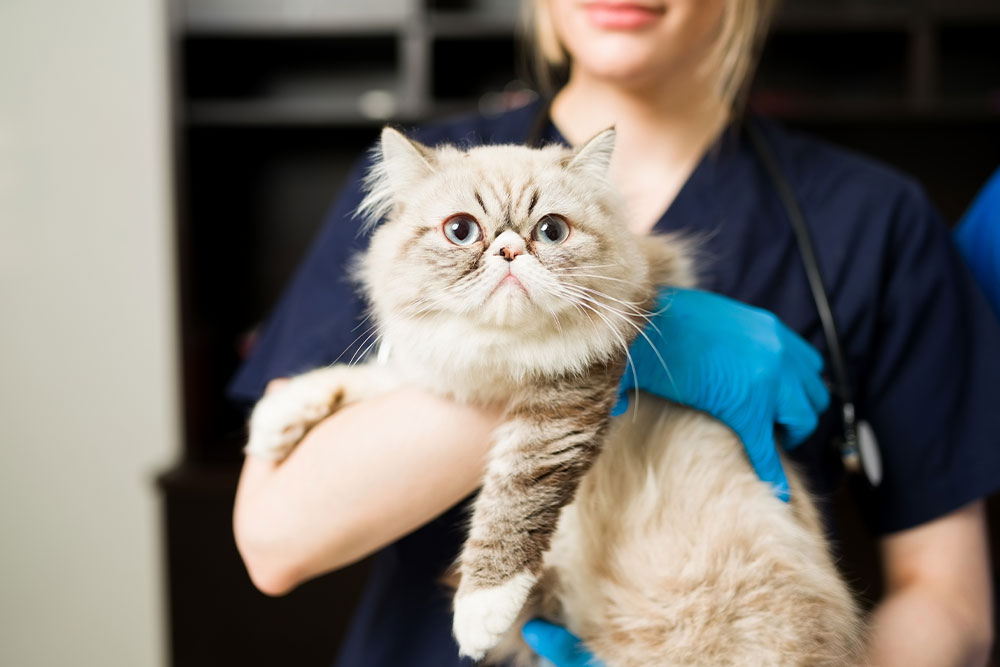
Knowing when to act can make all the difference. Subtle signs like changes in breathing, appetite, energy, or coordination can indicate something more serious. Learning how to examine your dog at home helps you notice abnormalities early, but always follow up with professional evaluation if you’re concerned.
If your pet exhibits red flags like labored breathing, collapse, or persistent vomiting, contact our emergency team immediately. Prompt care not only relieves discomfort but can significantly improve outcomes for genetic and acute health problems alike.
Partnering in Proactive Breed-Specific Pet Care
Every pet’s DNA tells a story, but how you respond determines the ending. Awareness of breed tendencies enables prevention, early diagnosis, and a better quality of life. Regular wellness visits, customized testing, and open communication with your veterinary team keep your pet thriving from puppyhood to senior years.
At Midtown Veterinary Hospital, our AAHA-accredited, collaborative approach ensures your pet’s breed-specific needs are met with compassion and precision. To schedule a consultation or learn more about genetic screening and personalized preventive care, contact us today. Together, we can help your pet live a longer, healthier, and happier life.



Leave A Comment