
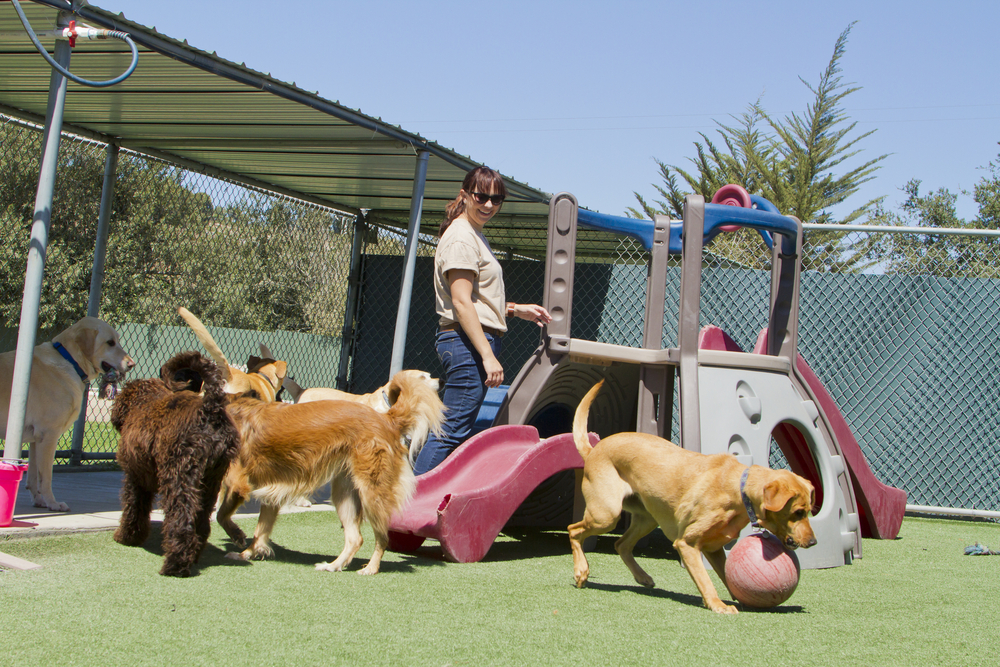
Dog daycare can be a great fit for social, energetic dogs who need more stimulation than a quiet house provides during the workday. When it is the right match, a good daycare day looks like this: your dog arrives tail wagging, disappears into a pack of friends, runs themselves pleasantly tired, and comes home to collapse contentedly on the couch. That is the goal. But not every facility is created equal, and not every dog is a daycare candidate. The difference between a great daycare experience and a stressful one often comes down to preparation: making sure your dog is up to date on vaccines, understanding what to look for in a facility, and knowing how to recognize whether your dog is actually enjoying the experience or just tolerating it.
At Midtown Veterinary Hospital, we help pet owners navigate daycare decisions as part of our approach to our AAHA-accredited wellness and preventive care. From confirming your dog’s vaccines meet daycare requirements to discussing whether group play suits your dog’s temperament, we are here to make sure daycare is a positive addition to your pet’s routine. Contact us in Rochester, Dansville, or Canesteo to schedule a pre-daycare wellness check or to update your dog’s vaccination records.
What Makes a Good Daycare?
Structured daycare at its best provides supervised group interaction, enrichment, and regular rest in a way that a solo dog at home simply cannot replicate. Socializing your dog in a managed group environment builds confidence and reduces boredom-related behavior.
The key word is managed. A quality daycare screens dogs before admission, verifies vaccination status, groups by size and temperament, maintains staffing ratios that allow genuine supervision, and can describe specifically how they respond when a dog shows stress signals or a conflict occurs. Before booking, visit in person. Watch how staff interact with the dogs, and how the dogs respond to the staff.
A pre-daycare wellness visit at Midtown ensures vaccines are current, confirms parasite prevention is in place, and gives us the chance to discuss your dog’s temperament and whether anything in their health history should factor into the daycare decision. It is also a good opportunity to discuss which preventives are right for your dog’s specific lifestyle, since a dog attending daycare in Rochester has different exposure risks than one who rarely leaves the yard.
Is Daycare Right for Every Dog?
No, and acknowledging this honestly helps owners make a better choice. Dog tolerance for group environments varies considerably between individuals, and temperament has nothing to do with breed or size. A 10-pound dog can be the life of the party, and a 70-pound dog can find a roomful of strangers genuinely overwhelming. Neither is wrong. The question is simply whether group daycare matches your specific dog.
Dogs who tend to do well in daycare:
- Enjoy interactions with unfamiliar dogs and recover quickly from exciting encounters
- Are comfortable in busy, moderately noisy environments
- Have a history of positive group experiences
Dogs who may not be good daycare candidates:
- Find unfamiliar dogs stressful or unpredictable
- Have a history of conflict or resource guarding in group settings
- Are elderly or managing chronic health conditions that make high-intensity play inadvisable
Some dogs land in the middle: interested in other dogs but easily overstimulated. For those, shorter sessions or smaller group settings may work better than a full-day free-for-all. It is worth asking daycares whether they offer half-day options or have lower-energy groups.
Reading body language after pickup is often the clearest signal. A dog who comes home relaxed and settles easily had a good experience. A dog who is stiff, avoidant, or restless may have found the environment more overwhelming than it appeared.
Why a Well-Run Daycare Is Often Safer Than a Dog Park
Public dog parks have no vaccination requirements, no temperament screening, and supervision depends entirely on whether owners are paying close attention. Dog park risks include exposure to unvaccinated or unwell dogs and incompatible play styles without anyone intervening.
A reputable daycare, by contrast, screens every dog before admission, requires up-to-date vaccines, groups by compatibility, and maintains trained staff who actively supervise. For social dogs who need off-leash group time, a properly vetted daycare is typically a substantially safer option than an unsupervised park.
When Puppies Can Start Daycare
Puppies should not enter general daycare until their core vaccination series is complete, typically around 16 weeks, because their immune systems are still developing and group environments carry real disease risk, particularly for parvovirus. Dog parks are off-limits for puppies until at least two weeks after their last vaccines.
The socialization window for puppies closes around 12 to 16 weeks, well before full vaccination is complete. Puppy socialization during the vaccination window should happen in controlled, clean environments with known, vaccinated dogs. Evidence on early socialization supports structured puppy classes with vaccine requirements as the safest option during this critical period.
Our wellness and prevention visits include specific vaccine timing for your puppy and discussion of when group environments are appropriate.
Vaccines and Parasite Prevention for Daycare
Most reputable facilities require:
- Rabies: required by law; facility will typically specify documentation with expiration date
- DHPP or DAPP: core combination including distemper, parvovirus, hepatitis, and parainfluenza; annual or triennial depending on vaccine type
- Leptospirosis: given annually after an initial two-dose series
- Bordetella (kennel cough): typically required every 6 to 12 months; an intranasal or injectable vaccine given at least several days before attendance begins
- Canine influenza: increasingly required; an initial two-dose series for previously unvaccinated dogs
Parasite prevention is equally important. Dogs spending time in shared outdoor spaces need consistent flea and tick and heartworm prevention. Our team can help you choose the right product based on your dog’s lifestyle and the specific risks in the Rochester, NY area.
Evaluating a Facility: What to Look For
Never book without a visit. Questions to ask and things to observe:
- How are dogs grouped, and what criteria are used?
- What is the staff-to-dog ratio during active supervision?
- How do staff recognize and respond to stress signals or conflicts?
- What are the cleaning protocols for play areas and water bowls?
- What happens in a medical emergency?
- Is there structured rest time, and how is it managed?
When you are there in person, pay attention to how the dogs in the facility actually look. Relaxed, loose body language and easy play are good signs. Dogs huddled in corners, panting heavily, or being persistently pestered without staff intervention are red flags. Safe group play means staff who can read individual dogs, intervene before stress escalates, and manage dog introductions between unfamiliar animals appropriately. Ask the facility to describe these processes specifically. A good facility will answer in detail. A vague answer like “we just watch them” is worth noting.
Contagious Diseases in Group Settings
Even well-run facilities with good cleaning protocols carry some disease transmission risk. Vaccination and consistent prevention are what keep that risk manageable.
- Parvovirus: highly contagious through fecal contamination; survives in the environment for months; vaccination is the primary protection
- Kennel cough: respiratory complex producing a persistent honking cough; spreads easily in group settings; Bordetella vaccination reduces severity
- Canine influenza: increasingly prevalent; initial two-dose series required for unvaccinated dogs
- Leptospirosis: spread through contaminated water and environments; the vaccine covers the most relevant serovars
- Oral papilloma virus: wart-like lesions around the mouth; spreads through direct contact; typically self-limiting in young dogs
If your dog develops respiratory symptoms, digestive upset, or lethargy after daycare, contact us for assessment. Our in-house diagnostics can evaluate quickly and guide treatment.
Checking Your Dog After Pickup
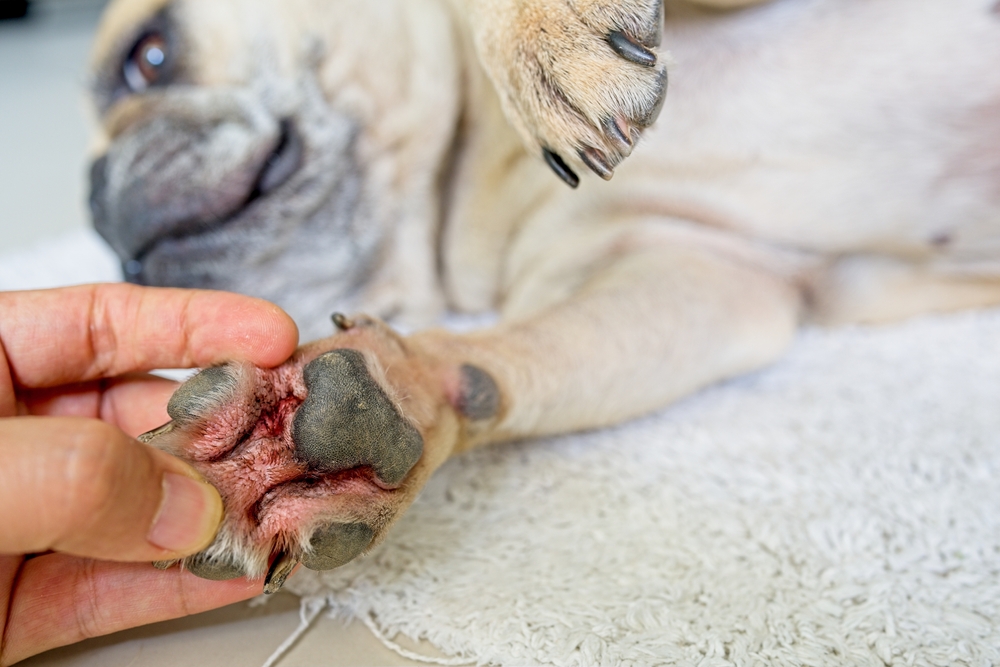
After every daycare session, a brief physical check takes only a minute and is worth making a habit. Run your hands over your dog’s body, paying particular attention to the face, neck, and legs where play-related scrapes most often occur. Minor scuffs are a normal part of dog play and nothing to worry about. What you are looking for is anything that warrants a closer look: a wound that is deeper than a surface graze, swelling, or an area your dog pulls away from when you touch it.
Even the most well-managed daycare can occasionally have a more serious scuffle. Bite wounds are deceptive injuries. What looks like a small puncture on the surface can involve much more tissue damage underneath, and bite wounds carry a high risk of infection even when they appear minor. If you find anything that looks like a bite or puncture, have it evaluated rather than waiting to see whether it looks better in the morning.
We offer emergency care during our regular hours, and VetTriage is available 24 hours a day for after-hours guidance.
Frequently Asked Questions
What vaccines do most daycares require?
Rabies, DHPP/DAPP, Lepto, and Bordetella are nearly universal. Canine influenza is increasingly required. Our AAHA-accredited team can confirm your dog’s current status and update anything that needs it.
How do I tell if my dog enjoyed daycare?
A dog who had a positive day comes home relaxed and settles easily. A dog who is stiff, avoidant, or difficult to wind down may have found it overwhelming. Shorter initial trial sessions make it easier to gauge.
When can my puppy start?
Most puppies should wait until their core vaccine series is complete around 16 weeks. Talk to our team about your specific puppy’s timing.
Are there red flags to watch for on a daycare tour?
Crowded playrooms, vague answers about how conflicts are handled, poor hygiene, and dogs that appear stressed or withdrawn in the facility are all reasons to look elsewhere.
Prepared Dogs Have Better Experiences
The best daycare outcomes start with preparation: current vaccines, consistent parasite prevention, an honest temperament assessment, and a facility that takes its own screening seriously. At Midtown, we approach daycare preparation as part of the broader wellness picture, because a dog who is healthy, protected, and appropriately matched to their environment is a dog who thrives. Our team is ready to help you get there.
Contact us to schedule a pre-daycare wellness check or vaccine update.




Leave A Comment